
Treatment options: metal braces, ceramic braces, Invisalign or clear aligner treatment and lingual braces.
For the vast majority of orthodontic patients, wearing fixed appliances (braces) will be a major part of treatment — and those braces will typically be the familiar silver ones. But while they're still quite popular, traditional-looking metal braces are not the only option!
First, we should distinguish between fixed and removable appliances. Braces are attached to the teeth by a special cement. They aren't removed from the teeth until treatment is complete. Removable appliances, such as clear aligners, are worn at least 22 hours per day, but may be easily removed to eat and brush. While clear aligners can be effective in treating mild to moderate orthodontic problems, fixed appliances are needed for more comprehensive treatment.
Metal Braces

Traditional metal braces, made of high-grade stainless steel, are the most common type of fixed orthodontic appliances. Small metal brackets are attached to the front surfaces of the teeth and sometimes metal brands are needed that wrap around the entire tooth. A thin metal wire, running through the brackets, gently guides the teeth into a proper position, held to the brackets by flexible elastics or metal ties.
Metal braces remain popular because they offer a reliable, effective and economical treatment option, and you are able to choose colorful elastics for holding the wire in place. In contrast to the appliances of the past, today's braces are actually smaller, lighter, and more comfortable to wear.
Ceramic braces

Clear ceramic braces are a variation on the traditional system that are considered a less noticeable option. This is preferred by some adults because, at least from a distance, they are harder to detect.
While ceramic braces are arguably an aesthetic positive, there are a few tradeoffs. The ceramic brackets can be less durable than metal and while the brackets themselves will not stain, the elastic bands that attach them to the arch wire will. These elastics are generally freshened by changing each month. Ceramic braces also cost more than metal — but for many people, the benefit of having a less conspicuous appliance outweighs the costs.
Invisalign or Clear Aligner Therapy

Invisalign is a series of clear aligners made of almost invisible polyurethane plastic. Rather than being cemented or bonded to the teeth as metal or clear braces are, clear aligners are removable — for important social occasions, for eating, and for tooth-brushing and flossing. This advantage can also be a disadvantage because you must resist the temptation to take your aligners out more than is advised. Here are advantages of clear aligner therapy:
- Oral Hygiene — With an orthodontic appliance that is removable, you will be able to clean your teeth more easily than if you were wearing metal braces.
- A Discreet Look — If you consider your orthodontic treatment to be a private matter, or simply feel that metal braces don't fit with your self-image, a practically invisible form of orthodontic treatment might suit you.
- More Dietary Choices — To protect metal wires and braces, some diet modifications are necessary. With clear aligners, you can still bite into an apple or a crispy pizza crust.
- Comfort — The thin, flexible material of which Invisalign is made will not irritate the soft tissues of the mouth.
- Teeth-Grinding Protection — If you have a teeth-grinding or clenching habit, clear aligners can function as thin nightguards that will protect your teeth from wear.
Nevertheless, there are still many situations for which traditional braces are the best. We will evaluate your own individual needs and discuss in detail the pros and cons of available treatment options.
Lingual Braces
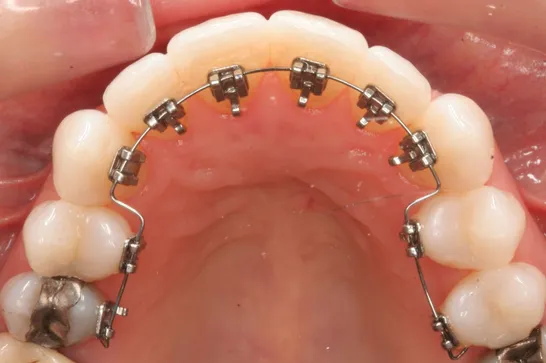
While ceramic braces certainly offer a less conspicuous look, lingual braces, placed on the tongue side of the teeth, are virtually undetectable. They work the same way metal braces do; made of metal, they can't be seen, because they're hidden behind the teeth themselves.
Lingual braces aren't the proper treatment for every orthodontic condition. Special training is required and they are significantly more expensive than standard braces. They also generally require more time for the wearer to get used to them and treatment time is always prolonged.
Downloads
Instructions for Wearing Rubber Bands
Adobe PDF Format, 27kb
Instructions Following the Placement of Orthodontic
Adobe PDF Format, 25kb
Related Articles
The Magic of Orthodontics Proper alignment of the teeth is basic to “Smile Design.” Their position dictates how they work together and affects the way you look and smile. Only orthodontic treatment can move teeth into the right position. Simply put, when things look right, they probably are right. Learn the basics of smile analysis and design and whether the magic of orthodontics will work for you... Read Article
Moving Teeth with Orthodontics Moving teeth orthodontically is a fascinating process by which the bone that surrounds and supports teeth is gently forced to remodel itself. Orthodontics moves teeth with a careful manipulation of force that guide the teeth into a new, improved position and better equilibrium. Light, constant forces applied to the teeth allow them to move in a predictable manner and direction... Read Article

Clear Aligners for Teenagers Teens who regard traditional braces as restrictive, confining, and obstructive to their lifestyles now have another choice for orthodontic treatment: clear aligners. This advanced dental technology, originally geared toward adults, has recently evolved to treat a greater variety of bite problems in younger people. These improved orthodontic appliances can help teens function normally during a difficult phase of life.. Read Article